

If you’re an architecture or design student today, the pressure is different. It’s no longer enough to create something that looks good—you’re expected to solve real-world problems, reflect culture, and think globally.
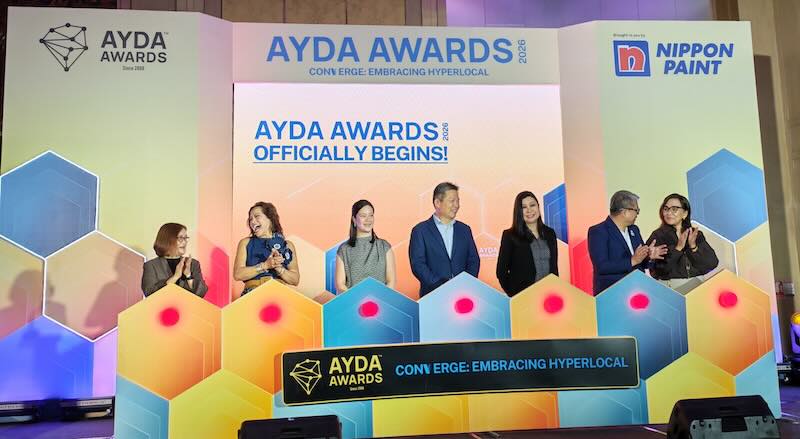
That’s exactly what AYDA Awards 2026 is pushing forward, as the competition opens its doors worldwide and challenges young designers to rethink how spaces, communities, and identity intersect in a rapidly changing world.
Why Design Thinking Is Changing Fast
Here’s the reality: design is no longer just aesthetic—it’s strategic.
With cities growing faster and climate risks becoming more visible—especially in countries like the Philippines—architects and designers are being pushed to think beyond trends. They now need to address urban density, climate resilience, and cultural preservation.
This shift is exactly why platforms like the AYDA Awards are becoming more relevant than ever.
AYDA Awards 2026 Theme: “Converge: Embracing Hyperlocal”
Organized by Nippon Paint, the AYDA Awards—now on its 18th year—introduces a theme that feels both global and deeply personal.
“Converge: Embracing Hyperlocal” is about blending global ideas with local identity—using indigenous materials, honoring traditions, and designing with community in mind.
Instead of treating globalization as a threat, AYDA reframes it as an opportunity—where local stories become the foundation of global innovation.
What “Hyperlocal Design” Really Means
Here’s where it gets interesting.
Hyperlocal design encourages creators to look inward—to their own communities—for inspiration.
In the Philippine context, that could mean:
- Adaptive reuse of heritage structures in Manila
- Disaster-resilient housing in typhoon-prone areas
- Incorporating local materials and craftsmanship
It’s not just design—it’s storytelling through space.
The Harvard Prize: A Global Opportunity
The biggest highlight of AYDA Awards 2026 is the Harvard Prize.
International Gold Winners will receive a fully funded Design Discovery Program at the Harvard University Graduate School of Design.
This includes:
- A three-week immersive program
- Tuition, airfare, and accommodation
- Visa support
- Exposure to global design leaders
Valued at up to USD 10,000, this is more than a prize—it’s a career-defining opportunity.
Cash Rewards, Internships, and Global Exposure
Beyond Harvard, AYDA 2026 offers strong incentives.
Global winners receive:
- Cash prizes
- Internship opportunities
- Special awards such as:
- Nippon Paint Colour Award
- Best Sustainable Design
- Best Design Impact
In the Philippines:
- Gold winners receive ₱50,000
- Silver winners receive ₱30,000
- Finalists receive ₱10,000
But more than the cash, the real value lies in exposure, mentorship, and global recognition.
Why This Matters for Filipino Students
For Filipino architecture and design students, this hits close to home.
The country is facing:
- Rapid urban expansion
- Climate vulnerability
- Pressure to modernize while preserving identity
AYDA’s theme directly responds to these challenges—encouraging students to design solutions that are locally grounded, globally competitive, and socially impactful.
Industry Perspective
According to industry leaders from Nippon Paint Philippines, design today is no longer just about aesthetics—it’s about solving real problems and creating meaningful connections between people and spaces.
That shift is exactly what AYDA is trying to accelerate.
Our Insight
Here’s the bigger play behind AYDA Awards 2026.
We’re seeing a global shift where:
- Creativity is no longer isolated
- Culture is becoming a competitive advantage
- Local identity is driving global relevance
For Filipino designers, this is a massive opportunity.
The Philippines has rich cultural heritage, diverse materials, and real-world challenges that demand innovation. If leveraged properly, Filipino design can stand out globally—not by copying trends, but by owning its identity.
Final Thoughts
AYDA Awards 2026 isn’t just another student competition—it’s a platform shaping the future of design.
By combining global exposure with hyperlocal thinking, it challenges young creatives to rethink what design truly means.
And for Filipino students, this could be one of the biggest opportunities yet to bring local ideas onto the global stage.
